A classroom is a room where teaching happens. It has desks, chairs, a board, and usually a teacher. But the physical space is only part of it. A classroom is also a social environment with rules, routines, and relationships. The arrangement of desks matters. Rows discourage chatter. Circles invite discussion. Tables support group work.
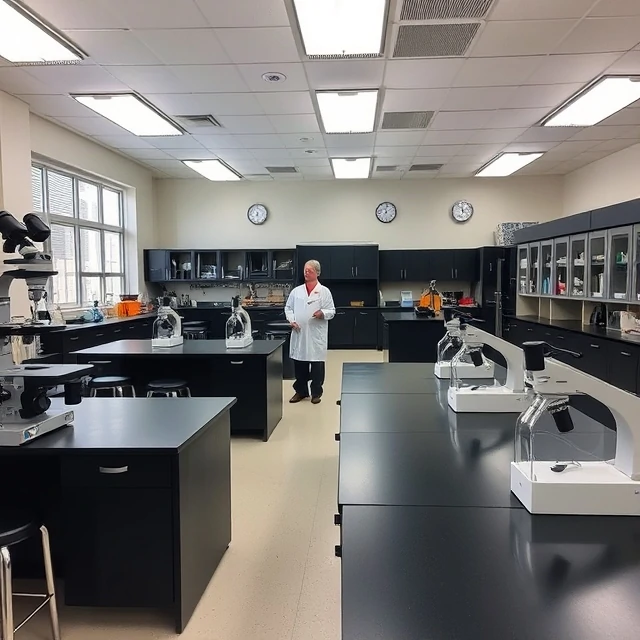
Classrooms vary by age and subject. A kindergarten room has rugs, cubbies, and colorful posters. A high school chemistry lab has benches, sinks, and safety equipment. A university seminar room has a long table and bookshelves. Online classrooms exist too, in video calls and discussion boards, though they lack the same physical cues.
Good classrooms feel safe. Students need to know they can be wrong without being mocked. Teachers build that culture over time. Lighting, temperature, noise, and clutter all affect learning. A well-run classroom is not silent. It hums with focused activity.
Elements of a classroom
- Seating and furniture
- Teaching tools: board, projector, screen
- Learning materials: books, supplies, technology
- Routines and expectations
- Social dynamics among students
Comments
No comments yet. Be the first to share a thought.
Leave a comment