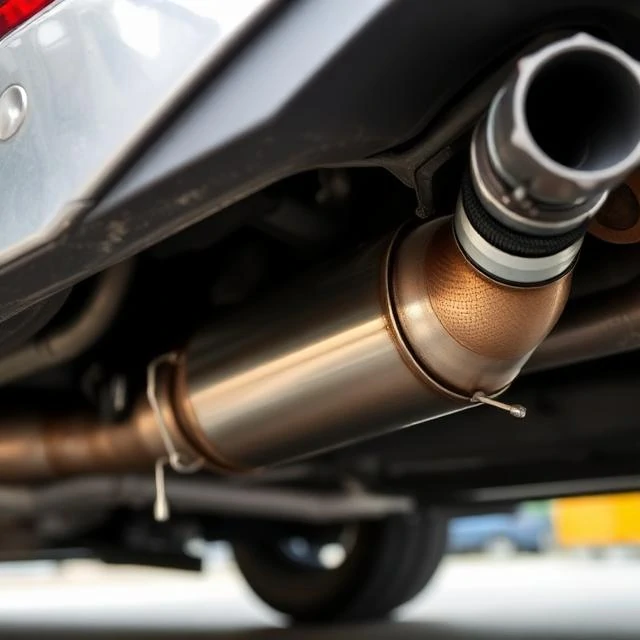
A car's exhaust contains more than carbon dioxide and water. It also carries carbon monoxide, nitrogen oxides, and unburned hydrocarbons, all of which cause harm. A catalytic converter cleans that exhaust. It sits in the exhaust pipe and uses a catalyst, usually platinum, palladium, and rhodium, to convert those pollutants into less harmful gases.
The chemistry happens in two stages. The reduction catalyst converts nitrogen oxides into nitrogen and oxygen. The oxidation catalyst converts carbon monoxide and hydrocarbons into carbon dioxide and water. A modern three-way converter handles both stages and also manages oxygen storage to keep the mixture balanced. It only works when the engine runs at the correct air-fuel ratio, which is why oxygen sensors and engine computers are part of the system.
Catalytic converters were first required in the United States in 1975. They have cut vehicle emissions dramatically. Leaded gasoline had to be phased out because lead poisons the catalyst. That alone was a major public health victory.
Converters are valuable, and thieves know it. The metals inside are worth hundreds of dollars. Catalytic converter theft has surged in recent years, prompting some owners to install shields and some states to tighten scrap metal laws.
Comments
No comments yet. Be the first to share a thought.
Leave a comment