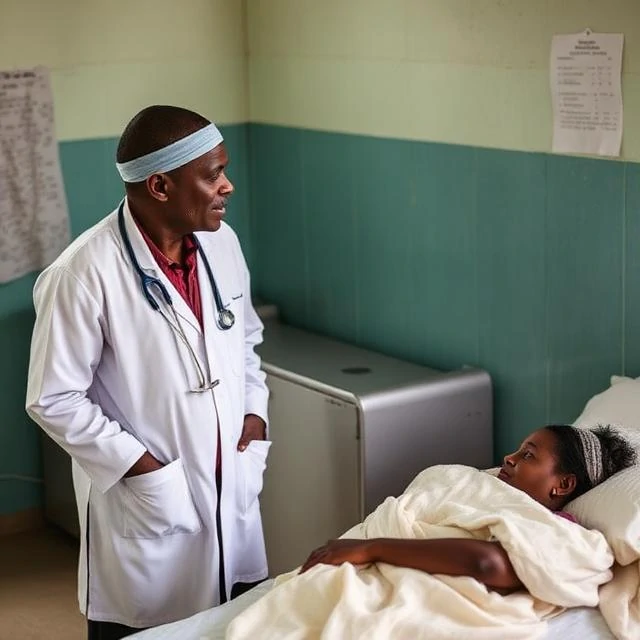
Medical anthropology studies health, illness, and healing across cultures. It asks why some societies treat sickness as a biological event and others as a social or spiritual one. It examines how people decide when to seek help, whom to trust, and what counts as a cure. The field emerged in the mid-20th century and has since become one of anthropology's most applied branches.
Researchers in this area work in clinics, villages, and online support groups. They study everything from biomedical hospitals to traditional healers to vaccine hesitancy. A key concept is explanatory models: the ideas people hold about what causes an illness and what should be done. A patient may believe their diabetes stems from stress, while a doctor sees glucose levels. Neither view is simply wrong. Effective care often requires translating between them.
Recurring themes
- Cultural meanings of the body and disease.
- Doctor-patient communication and trust.
- Traditional healing systems and medical pluralism.
- Structural violence and unequal access to care.
Medical anthropology does not just describe health beliefs. It asks how power, poverty, and culture shape who gets sick and who gets treated.
Comments
No comments yet. Be the first to share a thought.
Leave a comment