Using natural predators or parasites to control agricultural pests.
🐞
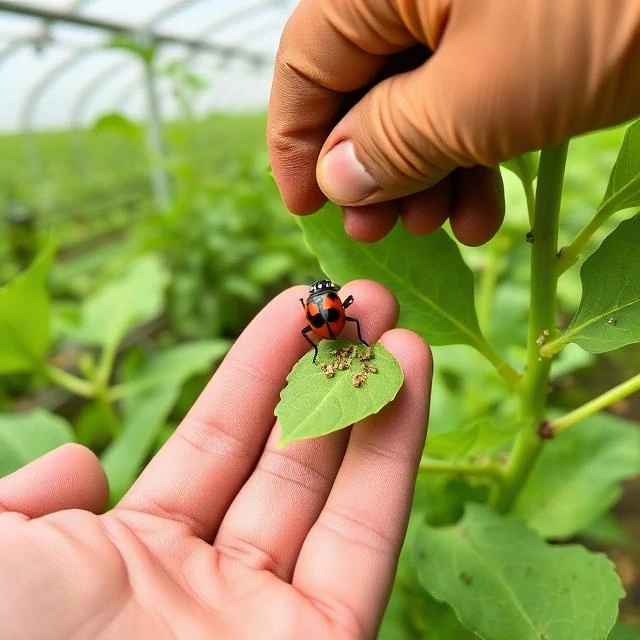
Biological control, or biocontrol, is the use of living organisms—predators, parasitoids, pathogens, or competitors—to suppress pest populations in agriculture and forestry. The approach dates to ancient China, where ants were used to protect citrus trees, and was formalised in the late 19th century with the successful introduction of the vedalia beetle to control cottony cushion scale in California citrus groves in 1888. Biocontrol strategies include classical (importing and establishing natural enemies), augmentative (periodic release of reared agents), and conservation (managing habitat to support existing beneficials). Common agents include ladybirds, lacewings, parasitic wasps, predatory mites, Bacillus thuringiensis, and entomopathogenic nematodes. Advantages include reduced chemical use, target specificity, and environmental safety; risks include non-target effects, unpredictable establishment, and the need for careful regulatory screening. Modern biocontrol is a cornerstone of integrated pest management and is increasingly supported by commercial insectaries and precision release technologies.
Comments
No comments yet. Be the first to share a thought.
Leave a comment