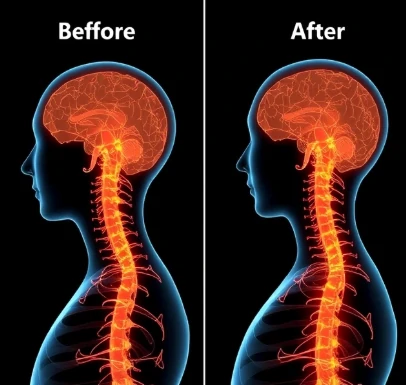
The efficacy of synaptic transmission is not fixed. Activity can strengthen or weaken synapses for periods ranging from seconds to a lifetime. This synaptic plasticity is widely regarded as a primary cellular mechanism for learning and memory.
Long-term potentiation and long-term depression are the best-characterized forms. They depend on the timing and intensity of pre- and postsynaptic activity, often require calcium influx through NMDA receptors, and ultimately change the number or properties of postsynaptic receptors and the structure of dendritic spines. Shorter-term forms such as facilitation and depression shape information processing on the timescale of ongoing behavior.
Plasticity is itself plastic: neuromodulators, developmental stage, and prior history all influence how readily synapses change. Dysregulation of plasticity has been implicated in addiction, chronic pain, and developmental disorders. Experimental induction and occlusion of plasticity remain central tools for testing whether particular synaptic changes are necessary for behavioral learning.
A few well-timed spikes can leave a synapse measurably altered for hours.
Comments
No comments yet. Be the first to share a thought.
Leave a comment