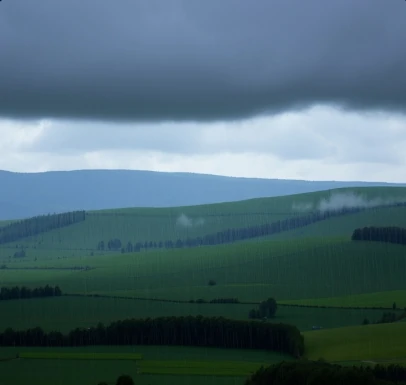
Any water that falls from the atmosphere to the Earth’s surface counts as precipitation. The form depends on the temperature profile of the air. Liquid drops become rain; ice crystals become snow; mixtures or partially melted particles become sleet or freezing rain.
Precipitation begins with the growth of cloud particles until they are heavy enough to fall. In warm clouds this occurs mainly by collision and coalescence. In cold clouds the ice-crystal process is important. The intensity ranges from light drizzle to torrential downpours.
Measuring precipitation is fundamental to hydrology, agriculture, and climate monitoring. Rain gauges, radar, and satellite estimates all contribute. The spatial and temporal distribution of precipitation shapes ecosystems and human settlement patterns across the globe.
- Water falling from clouds to surface
- Includes rain, snow, sleet, hail
- Forms by particle growth in clouds
- Essential for water resources
Comments
No comments yet. Be the first to share a thought.
Leave a comment