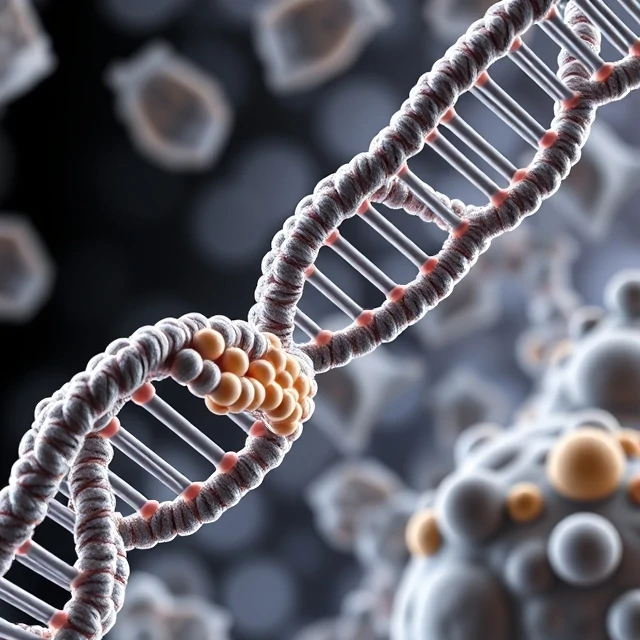
Once messenger RNA reaches the cytoplasm, its instructions must be converted into protein. Translation is the process in which ribosomes read the mRNA code and assemble the corresponding chain of amino acids. Transfer RNAs bring each amino acid in turn.
Initiation assembles the ribosome at the start codon. Elongation cycles through codon recognition, peptide-bond formation, and translocation. Termination occurs when a stop codon is reached and release factors free the completed polypeptide. The new protein then folds into its functional shape, often with the help of chaperones.
Cells devote enormous resources to translation; ribosomes can constitute a large fraction of cellular mass during rapid growth. Antibiotics that block bacterial translation leave eukaryotic ribosomes largely unaffected. Measuring translation rates and identifying which mRNAs are being read provide a direct view of cellular activity.
- Synthesis of protein from mRNA instructions
- Performed by ribosomes and tRNAs
- Includes initiation, elongation, and termination
- Major target of antibiotic action
Comments (2)
Leave a comment