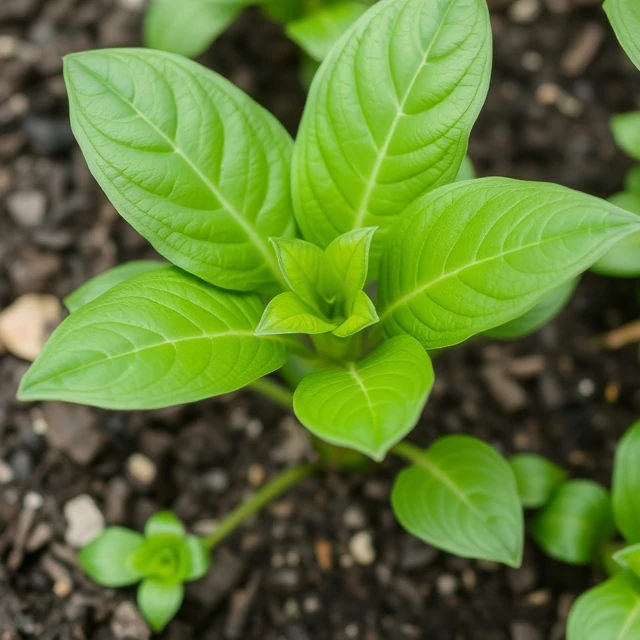
Green life that roots in soil and captures sunlight forms the foundation of most gardens. A plant is a living organism that typically produces its own food through photosynthesis, using chlorophyll in its leaves or other green tissues. Roots anchor it and absorb water and minerals; stems support and transport; leaves convert light into energy.
Plants range from tiny annuals that complete their life in months to trees that live for centuries. They reproduce by seeds, spores, or vegetative means. Gardeners select and arrange them for food, beauty, fragrance, or habitat. Understanding basic needs—light, water, air, nutrients, and suitable temperature—guides successful cultivation.
Every plant interacts with its surroundings. Soil life, pollinators, and neighboring species all influence performance. Observation reveals what each plant requires and how it responds to care or neglect. The variety of form and function among plants is what makes gardening endlessly interesting.
- Living organism that uses photosynthesis
- Typically grows roots, stems, and leaves
- Ranges from annuals to long-lived trees
- Selected by gardeners for many purposes
Comments
No comments yet. Be the first to share a thought.
Leave a comment