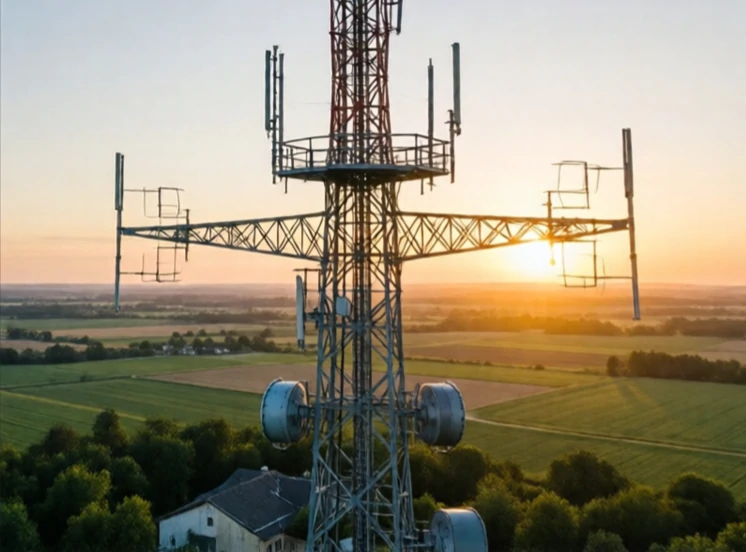
Broadcasting is distributing audio or video content to a wide audience. One transmitter sends. Many receivers listen or watch. It is a one-to-many model. Radio and television are the classic examples. The term also applies to streaming and podcasting, though the technology differs.
Broadcasting began with radio in the 1920s. KDKA in Pittsburgh was one of the first commercial stations. Television followed in the 1930s and 1940s. Broadcast signals travel through the air. Anyone with an antenna can receive them. That openness made broadcasting a public medium. Governments regulated it to ensure fair access and public interest.
Types of broadcasting
- AM radio: medium wave, long range
- FM radio: VHF, better sound quality
- Television: VHF and UHF bands
- Satellite: direct-to-home TV
- Streaming: internet-based, on-demand
Broadcasting is changing. Cable and satellite still deliver TV. But streaming over the internet is growing. Podcasts and YouTube channels bypass traditional broadcasters. The one-to-many model is becoming many-to-many. The audience is no longer passive. It creates and shares too.
Comments
No comments yet. Be the first to share a thought.
Leave a comment