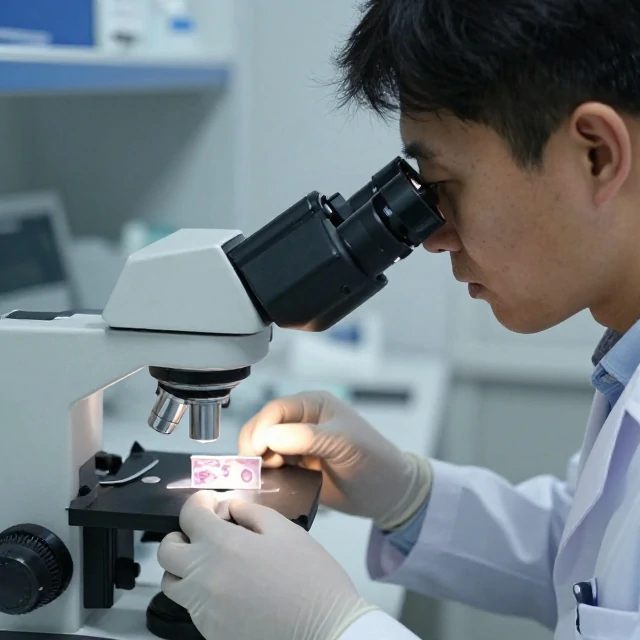
Pathology studies what goes wrong in the body. It looks at cells, tissues, and fluids to understand the causes and effects of disease. A pathologist is a physician who examines samples under a microscope, runs lab tests, and writes reports that guide treatment.
The field splits into two main branches. Anatomic pathology deals with tissues from biopsies, surgeries, and autopsies. Clinical pathology handles blood, urine, and other fluids. Subspecialties include hematopathology, neuropathology, and forensic pathology, the branch that investigates unexplained deaths.
What pathologists do
- Examine biopsy samples to diagnose cancer and other diseases.
- Perform autopsies to determine cause of death.
- Run and interpret laboratory tests.
- Monitor blood counts, coagulation, and infection markers.
- Provide molecular and genetic testing for targeted therapies.
Most patients never meet their pathologist, but every cancer diagnosis, every blood transfusion, and every organ transplant depends on their work. The report from the lab often determines the next step in care. Pathology is behind-the-scenes medicine, and it is one of the most intellectually demanding specialties. A single misread slide can change a patient's entire course.
Comments
No comments yet. Be the first to share a thought.
Leave a comment