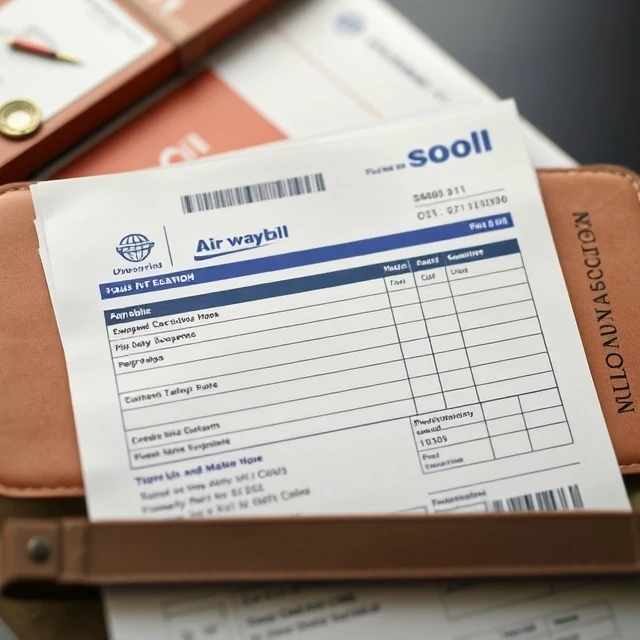
Every consignment needs a travel document. A waybill is a transport document that describes the goods being carried, the parties involved, and the route or service, serving as a contract of carriage and a receipt without necessarily being a document of title.
Air waybills and inland waybills are common examples. Unlike a negotiable bill of lading, a waybill usually does not require surrender of an original document to take delivery. It still provides evidence of the contract and of the condition and quantity of goods accepted by the carrier.
Electronic waybills reduce paperwork and speed information flow. Accuracy of the description and consignee details remains essential for customs and delivery. The waybill travels with or ahead of the goods as the carrier’s operational and legal reference for that shipment.
- Transport document describing goods and carriage terms
- Acts as receipt and contract evidence
- Typically non-negotiable unlike some bills of lading
- Used in air, road, and other modes
Comments (2)
Leave a comment