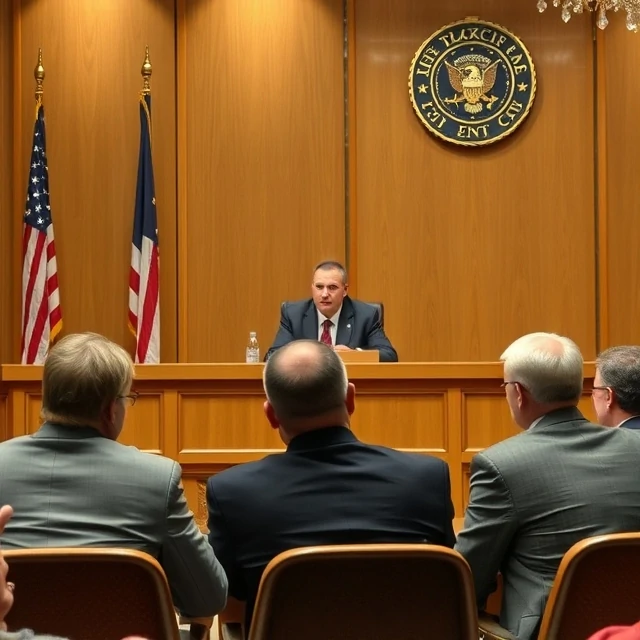
The public is the formal party in criminal cases. A prosecutor is the lawyer who represents the government in investigating and charging crimes, presenting evidence at trial, and recommending sentences.
Prosecutors decide whether charges are warranted, what offenses to allege, and whether to offer plea agreements. Ethical rules require them to seek justice, not merely convictions, including disclosing exculpatory evidence to the defense. They work with police but exercise independent judgment about legal sufficiency.
Charging discretion makes prosecutors among the most powerful actors in the criminal system. Training and office policies attempt to channel that power consistently. At trial they bear the burden of proving guilt beyond a reasonable doubt.
- Government lawyer in criminal cases
- Controls charging and often plea negotiations
- Obligated to disclose exculpatory evidence
- Must prove guilt to the criminal standard
Comments
No comments yet. Be the first to share a thought.
Leave a comment