Legal equality does not always match social practice. Civil rights are the protections and privileges that allow individuals to participate fully in political and civic life—voting, fair trials, equal access to public facilities, and freedom from arbitrary discrimination.
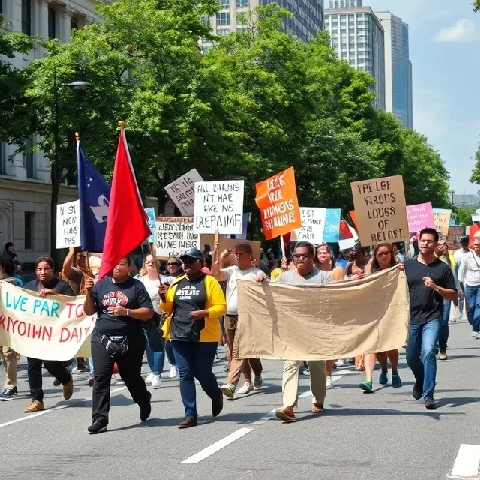
Struggles for civil rights have marked many societies. In the United States the mid-twentieth-century movement challenged racial segregation through court cases, boycotts, and marches, culminating in landmark legislation. Parallel campaigns addressed gender, disability, and other bases of exclusion in various countries.
Laws alone do not guarantee enjoyment of rights; enforcement and cultural change matter equally. Historians trace both the formal expansion of rights and the persistent gaps between statute and lived experience. The concept remains a measuring stick for the inclusiveness of any political community.
- Rights to political and social equality
- Include voting, due process, and non-discrimination
- Advanced through law and social movements
- Require ongoing enforcement and cultural support
Comments (2)
Leave a comment