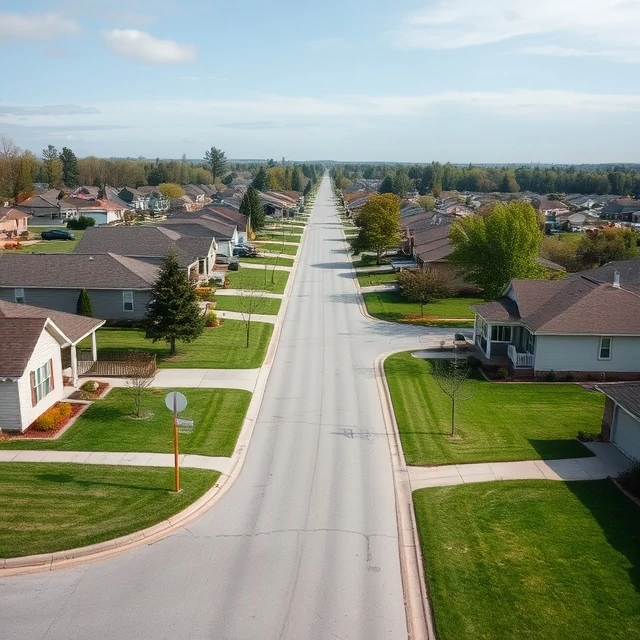
Beyond the dense core of the city lie lower-density residential areas. A suburb is a community on the urban fringe, typically dominated by housing and dependent on the central city for employment and higher-order services. Automobiles and transit links shape its form.
Suburbs expanded rapidly in the twentieth century with rising car ownership and preferences for private space. They offer quieter streets and often better schools, yet can lack the mixed uses and walkability of older urban neighborhoods. Many suburbs have matured into edge cities with their own offices and retail centers.
Contemporary debates concern suburban sustainability, diversity, and infrastructure costs. Some suburbs are densifying; others continue to spread outward. The suburb remains a dominant residential landscape in many countries and a key setting for questions of equity and environmental impact.
- Residential area on the edge of a city
- Lower density than the urban core
- Often car-oriented
- Evolving with new economic and demographic trends
Comments
No comments yet. Be the first to share a thought.
Leave a comment