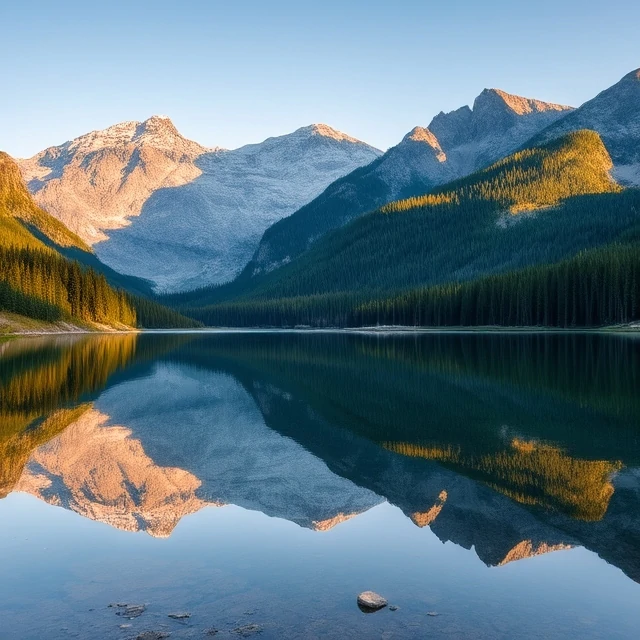
Still water fills a depression in the land. A lake is an inland body of standing water, usually freshwater, larger than a pond. Lakes form in glacial scours, tectonic basins, volcanic calderas, and behind natural or artificial dams.
They regulate local climate, store water for human use, and support fisheries and recreation. Thermal stratification in deeper lakes creates distinct layers that mix seasonally. Water quality depends on the balance of nutrients, sediments, and pollutants entering from the watershed.
Some of the world’s largest lakes, such as the Caspian Sea and Lake Baikal, are unique ecosystems. Many lakes face pressure from water extraction, invasive species, and climate-driven changes in level and temperature. Their shorelines remain attractive places for settlement.
- Inland body of standing water
- Usually freshwater
- Formed by varied geologic processes
- Important for water supply and ecosystems
Comments
No comments yet. Be the first to share a thought.
Leave a comment