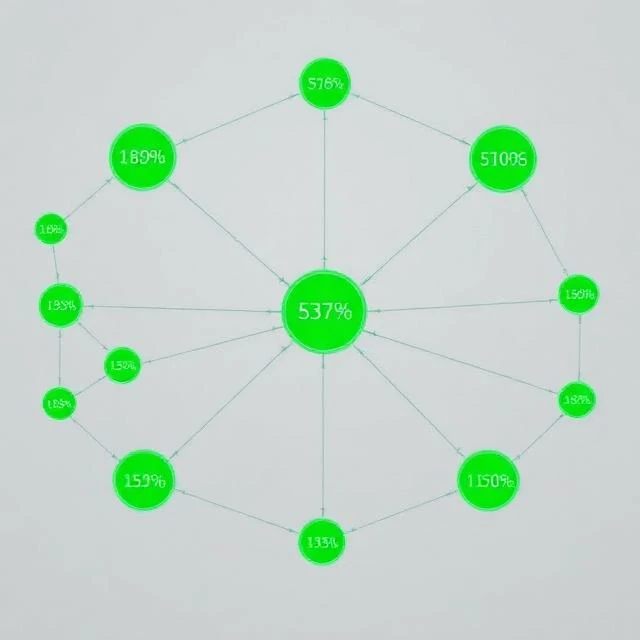
Consensus is how a blockchain network agrees on what happened. Thousands of nodes hold copies of the ledger. They need to reach the same conclusion about which transactions are valid and in what order. Without consensus, each node would drift into its own version of history. The network would fragment and the ledger would become useless.
Different chains reach consensus in different ways. Bitcoin uses proof-of-work. Miners expend electricity to find a hash below a target value. The first to succeed broadcasts the block. Other miners verify it and build on top. The longest chain, measured by cumulative work, represents the network's agreement. Ethereum uses proof-of-stake. Validators lock up ETH and are chosen to propose and attest to blocks. If they act maliciously, they lose their stake. Both systems solve the same problem: getting independent actors to agree without a central authority.
Consensus requirements
- Agreement — all honest nodes accept the same block
- Termination — the process eventually completes
- Validity — only valid transactions are included
- Fault tolerance — the system survives some bad actors
Consensus is slow by design. Reaching agreement across thousands of independent computers takes time. That is the price of not trusting a single party.
Comments
No comments yet. Be the first to share a thought.
Leave a comment