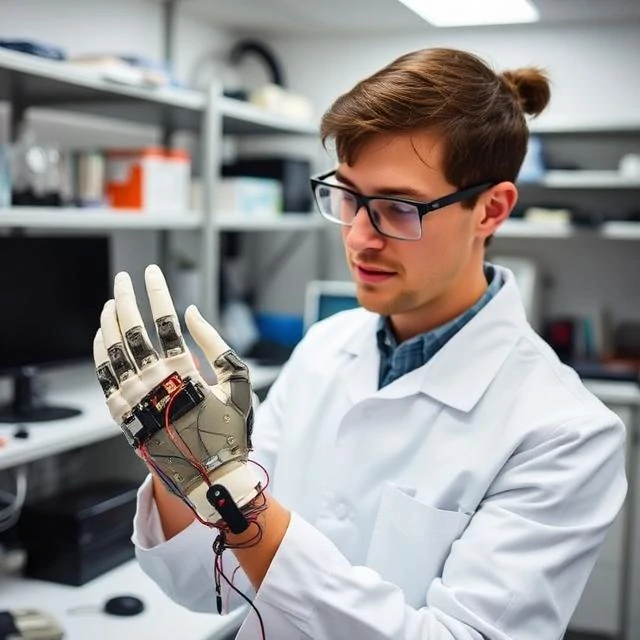
Bioengineering applies engineering principles to biological systems. It designs devices, materials, and processes that interact with living things. Artificial joints, prosthetic limbs, dialysis machines, and tissue scaffolds all come from bioengineering. The field sits at the intersection of mechanical engineering, electrical engineering, materials science, and biology.
The work spans many scales. At the molecular level, bioengineers design proteins and genetic circuits. At the cellular level, they grow tissues and organs in the lab. At the systems level, they build medical devices and imaging machines. At the environmental level, they engineer microbes to clean up pollution. The tools vary, but the approach is the same: define the problem, model the system, build a prototype, test it, and iterate.
Bioengineering has produced some remarkable advances. Cochlear implants restore hearing. Insulin pumps manage diabetes. 3D-printed titanium implants replace damaged bone. Organ-on-a-chip devices model human disease without animal testing. The field is young, and the pace is accelerating.
It also raises questions. Who gets access to these technologies? How do we regulate devices that combine living and non-living components? What happens when a bioengineered implant fails? The engineering is only half the challenge.
Comments
No comments yet. Be the first to share a thought.
Leave a comment