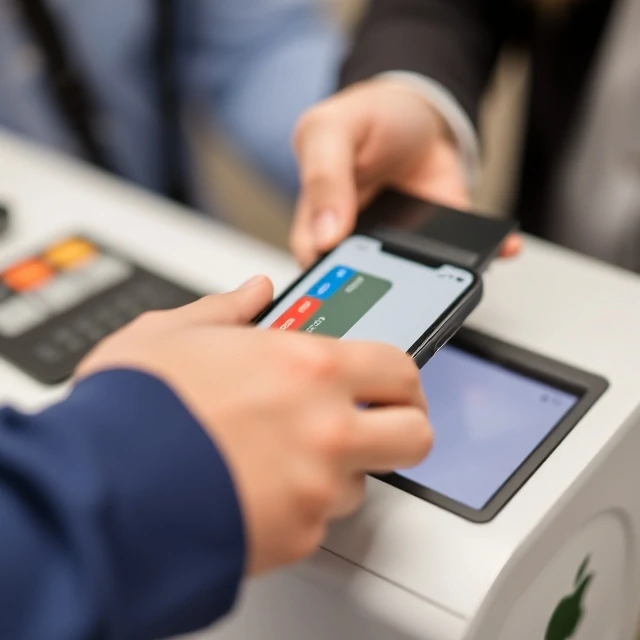
A digital wallet stores payment credentials on a device. It can be a smartphone, a smartwatch, or a computer. Apple Pay, Google Pay, Samsung Pay, and PayPal are the most common. The wallet holds your credit card, debit card, and sometimes loyalty cards, transit passes, and tickets. When you pay, the wallet transmits the credentials to the terminal, usually through NFC or a QR code.
Digital wallets are secure. They do not store your actual card number. Instead, they use a token, a unique number that stands in for the card. The token is stored in a secure element on the device, and it is useless to a thief. Biometric authentication, like a fingerprint or face scan, adds another layer of protection. If your phone is lost, you can remotely wipe it.
Adoption has grown rapidly. Apple Pay launched in 2014. By 2023, it was used by over 500 million people worldwide. Google Pay and Samsung Pay have hundreds of millions of users each. In some countries, like China, digital wallets are the dominant form of payment. WeChat Pay and Alipay process trillions of dollars a year.
Digital wallets are not just for payments. They can store boarding passes, event tickets, insurance cards, and identity documents. Some support peer-to-peer transfers. Some integrate with loyalty programs. The wallet is becoming a digital hub for the credentials of daily life. The physical wallet is not dead, but it is getting thinner.
Comments
No comments yet. Be the first to share a thought.
Leave a comment