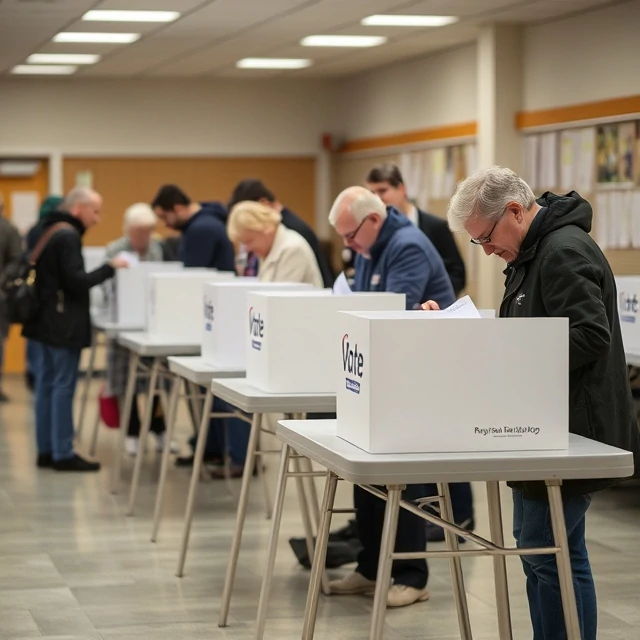
Citizens choose their representatives through an election. The process involves registering voters, nominating candidates, campaigning, casting and counting ballots, and declaring winners according to established rules.
Free elections require genuine choice, equal counting of votes, and the absence of intimidation or systematic fraud. Regular elections allow the peaceful transfer of power and force incumbents to maintain public support. Electoral systems—single-member districts, proportional representation, ranked choice—shape how votes translate into seats and influence party strategies.
Administration matters. Independent election commissions, transparent procedures, and accessible polling places increase confidence. Disputes over rules, eligibility, and counting can undermine legitimacy even when underlying preferences are clear. High turnout is often taken as a sign of engagement, though compulsory voting systems complicate that interpretation.
- Formal process of choosing representatives by vote
- Requires genuine choice and fair counting
- Enables peaceful transfer of power
- System design affects outcomes and strategies
Comments
No comments yet. Be the first to share a thought.
Leave a comment