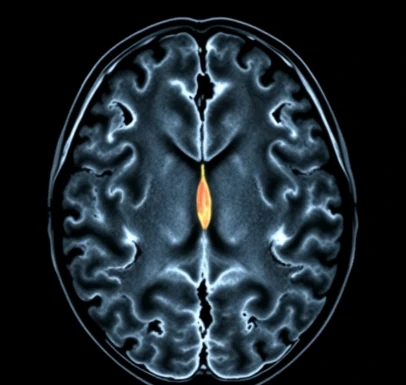
A lesion is an area of tissue damage or destruction. In neuroscience, carefully placed lesions have been used to infer the function of specific brain regions by observing what abilities are lost when the region is removed or inactivated.
Early studies relied on accidental injuries and on surgical lesions in animals. The famous case of Phineas Gage, whose frontal lobes were damaged by a tamping iron, linked that region to personality and self-regulation. Modern techniques include chemical lesions, electrolytic lesions, and reversible inactivation with drugs or cooling. In humans, strokes, tumors, and surgical removals provide natural lesions that can be studied with neuroimaging and behavioral testing.
Lesion evidence is powerful but not always straightforward. A deficit may result from damage to fibers of passage rather than to the cells of the region itself, and compensatory changes in other areas can mask or alter the immediate effects. Converging evidence from imaging, stimulation, and temporary disruption methods strengthens conclusions drawn from lesions.
When a specific loss of function follows damage to a specific structure, the lesion has helped map the brain’s division of labor.
Comments
No comments yet. Be the first to share a thought.
Leave a comment