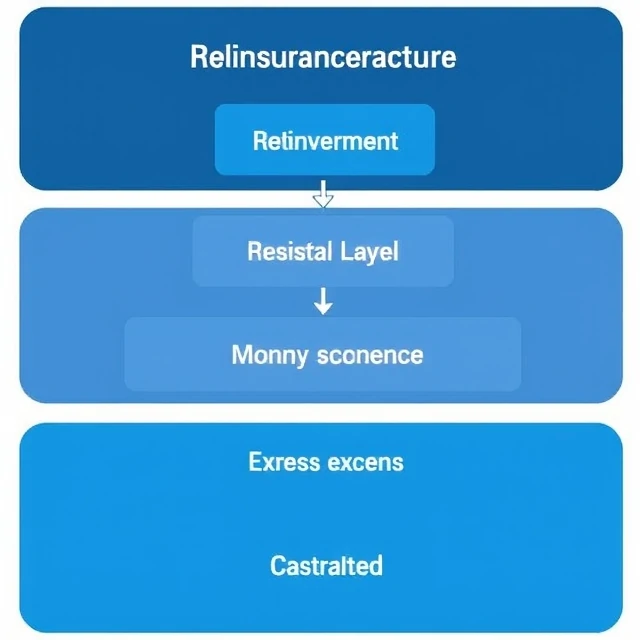
Not every dollar of risk moves to a reinsurer. Retention is the amount of loss an insurer keeps for its own account before reinsurance responds. It may be expressed as a fixed dollar amount per risk, per occurrence, or as a percentage of each loss under a proportional treaty.
Higher retentions reduce reinsurance cost but expose the company to greater volatility. Lower retentions buy more protection at a higher price. Management sets retention levels after considering capital, risk appetite, and the cost and availability of reinsurance.
In excess-of-loss programs the retention is the attachment point above which the reinsurer pays. In quota-share treaties the retention is simply the percentage the cedent keeps. Clear definition of the retention in the treaty wording prevents disputes when a large loss occurs.
- Amount of risk kept by the insurer
- Applies before reinsurance responds
- Balances cost against volatility
- Defined per risk, per occurrence, or by percentage
Comments
No comments yet. Be the first to share a thought.
Leave a comment