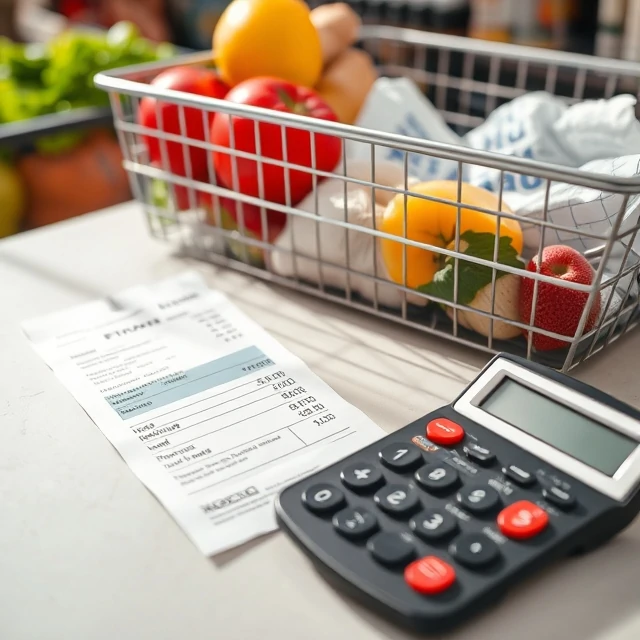
The Consumer Price Index tracks how prices change over time. It measures the cost of a basket of goods and services that a typical household buys: food, housing, transportation, medical care, and more. Economists use it to gauge inflation. Governments use it to adjust Social Security payments and tax brackets.
The CPI is not a perfect measure. It averages across the country, so it may not reflect your experience in a specific city. It also struggles with quality changes. A smartphone today is not the same as one from 2010, but the index tries to account for that. Substitution bias is another issue: when beef gets expensive, people buy chicken, but the basket may not update immediately.
Despite these limits, the CPI is one of the most watched economic indicators. A rising CPI means inflation is heating up. A falling CPI means prices are dropping, which can signal deflation. Central banks watch it closely when setting interest rates.
What it includes
- Food and beverages
- Housing and rent
- Transportation costs
- Medical care
- Recreation and education
Comments
No comments yet. Be the first to share a thought.
Leave a comment