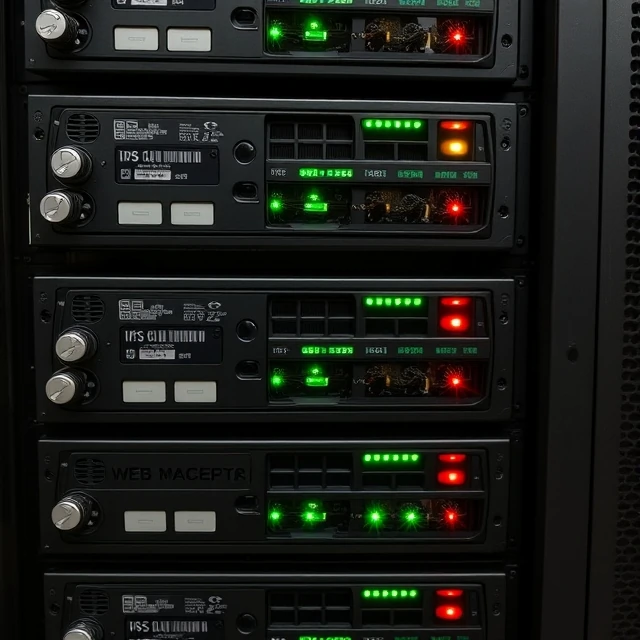
Data redundancy means the same data exists in more than one place. Sometimes that is intentional. Backups are redundant by design. Replicated databases keep copies in multiple regions for availability. RAID arrays duplicate data across disks so a single failure does not lose anything. Intentional redundancy protects against failure. Unintentional redundancy causes problems.
When the same customer record lives in three systems with no synchronization, the records drift. One has the current address. Another has the old phone number. A third has a typo in the email. Nobody knows which is correct. Reports from different systems disagree. Analysts spend hours reconciling. The fix is either integration or a single source of truth. Master data management identifies the authoritative system for each entity. Integration keeps the copies in sync. Both cost money and effort. Redundancy is not always bad. The question is whether it is controlled. Controlled redundancy improves reliability. Uncontrolled redundancy creates inconsistency. The distinction matters more than the presence of duplicates. A system with no redundancy is fragile. A system with chaotic redundancy is untrustworthy. The goal is deliberate, managed redundancy that serves a purpose.
Redundancy types
- Intentional — backups, replication, RAID
- Unintentional — duplicate records, unsynchronized systems
- Controlled — managed with integration or master data
- Uncontrolled — copies drift and disagree
Redundancy is a tool. Used well, it protects data. Used poorly, it corrupts trust.
Comments
No comments yet. Be the first to share a thought.
Leave a comment