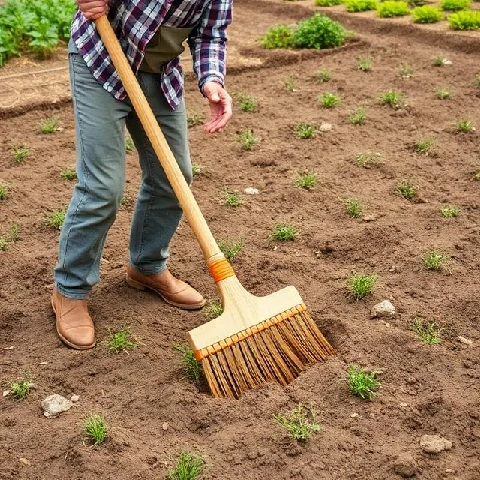
A seedbed is the patch of soil where seeds are sown and expected to germinate. It can be a whole field or a small plot, a tray of potting mix in a greenhouse, or a carefully prepared strip in a garden. The goal is the same: a fine, level surface with the right moisture and temperature for germination.
Preparation matters more than most people expect. Clods too large leave air pockets that dry out seeds. A surface too fine can crust over after rain and block emergence. A seedbed should be firm underneath and crumbly on top. Farmers achieve this with ploughing, harrowing, rolling, and sometimes a light irrigation before planting.
Ideal seedbed conditions
- Fine, uniform tilth in the top few centimetres
- Firm sub-surface so seeds stay in contact with moisture
- Free of weeds, stones, and previous crop residue
- Moist but not waterlogged at sowing depth
No-till and reduced-till systems create seedbeds differently, drilling directly into residue and relying on the previous crop's root channels for structure. The principle is the same: give the seed a fair start.
Comments
No comments yet. Be the first to share a thought.
Leave a comment