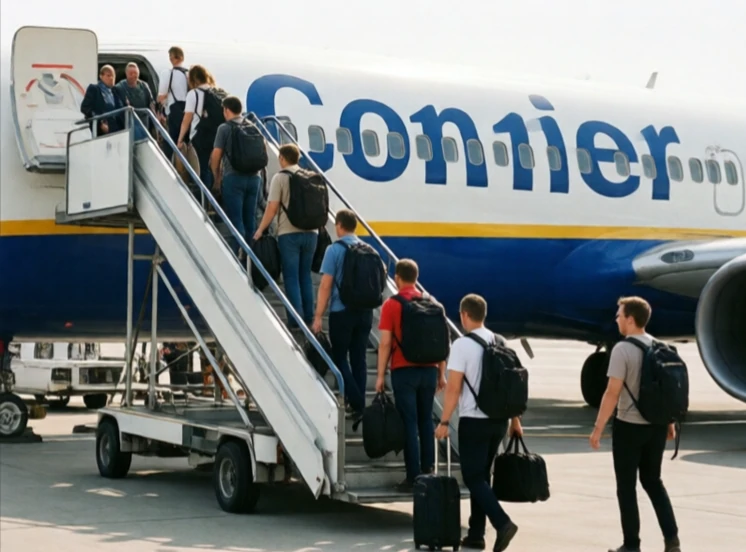
An airline offers low base fares by eliminating many traditional inclusions and charging separately for extras such as baggage, seat selection, and food. That airline is a low-cost carrier. The model prioritizes efficiency and price competition.
Common practices include single aircraft types, quick turnarounds, secondary airports, and direct online sales. Cabin service is minimal. Routes often focus on short to medium distances with high frequency. The model has expanded air travel access for price-sensitive leisure travelers and stimulated new routes.
Passenger experience varies with how transparently fees are communicated and how reliably the operation runs. Delays and limited recovery options can be more disruptive when there are fewer staff and aircraft reserves. For travelers willing to trade frills for fare savings, low-cost carriers have reshaped route networks and expectations.
- Airline competing mainly on low base fares
- Charges for many services once included by default
- Emphasizes operational efficiency and high aircraft utilization
- Expanded access to air travel for budget-conscious passengers
Comments
No comments yet. Be the first to share a thought.
Leave a comment