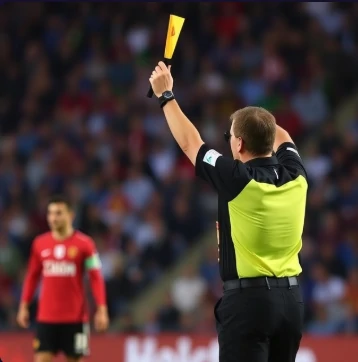
An attacker receives the ball while closer to the opponent’s goal line than both the ball and the second-to-last defender. The assistant referee raises the flag. That infringement is offside. The rule prevents attackers from simply waiting behind the defense for a long pass.
Offside is judged at the moment the ball is played by a teammate, not when it is received. Variations exist across sports, but soccer’s version is the most widely known. Interpreting the exact moment and the exact position of body parts requires concentration and, increasingly, video support.
The offside rule shapes defensive lines and attacking timing. Teams play a high defensive line to compress space, accepting the risk of being beaten by precise through balls. Forwards time their runs to stay legal by the narrowest margins. Few rules generate as much debate on tight calls.
- Rule preventing attackers from gaining an unfair positional advantage
- Judged when the ball is played by a teammate
- Enforced by officials and sometimes video review
- Influences both defensive shape and attacking timing
Comments
No comments yet. Be the first to share a thought.
Leave a comment