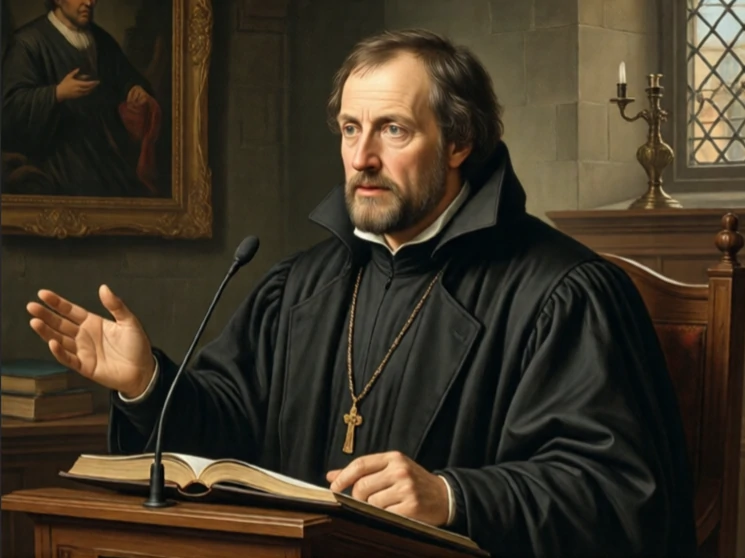
Calvinism is a major branch of Protestantism based on the teachings of John Calvin. Calvin was a French reformer. He wrote the Institutes of the Christian Religion. He established a reformed church in Geneva. His theology emphasizes the sovereignty of God, the authority of scripture, and salvation by grace. It is also known as Reformed theology.
Calvinism is best known for the five points of TULIP. Total depravity. Unconditional election. Limited atonement. Irresistible grace. Perseverance of the saints. These points were formulated at the Synod of Dort in 1618-1619. They are a response to Arminianism. Arminians believed in free will and conditional election. Calvinists believed in predestination and unconditional grace. The debate continues today.
The five points of Calvinism
- Total depravity: humans are sinful and unable to save themselves.
- Unconditional election: God chooses who will be saved.
- Limited atonement: Christ died for the elect.
- Irresistible grace: God's grace cannot be rejected.
- Perseverance of the saints: the elect will persevere in faith.
Calvinism has shaped Western history. It influenced the Puritans. It shaped the Dutch Reformed Church. It spread to America. It is found in Presbyterian, Reformed, and some Baptist churches. It is not without controversy. Some Christians reject predestination. They say it makes God unfair. Calvinists say it magnifies God's grace. It shows that salvation is entirely God's work. Humans contribute nothing. That is the radical claim. It is either a comfort or a scandal. It depends on who you ask. Calvinism is a theology of grace. It is a theology of sovereignty. It is a theology that divides. But it also unites. It unites those who trust in God's absolute control. And who rest in his sovereign love.
Comments
No comments yet. Be the first to share a thought.
Leave a comment