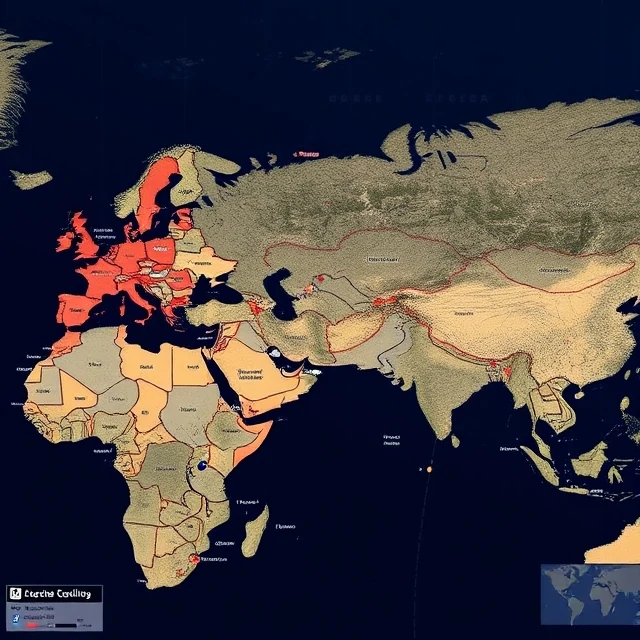
Location shapes power. Geopolitics examines how geography—borders, resources, sea lanes, climate, and distance—influences the behavior of states and the structure of international relations.
Classic geopolitical thinkers emphasized heartlands, rimlands, and control of strategic chokepoints. Contemporary analysis adds energy pipelines, digital infrastructure, and demographic patterns. Great powers still compete for influence in regions that offer resources, access, or buffer zones. Smaller states navigate the constraints and opportunities of their neighborhoods.
Geopolitical reasoning informs alliance choices, military posture, and economic statecraft. It can also encourage fatalism or aggressive expansion when leaders treat geography as destiny. Careful analysis distinguishes permanent geographic facts from contingent political arrangements. Maps remain indispensable tools for anyone trying to understand why certain conflicts persist and why certain partnerships endure.
A glance at a map often explains more about a rivalry than volumes of ideology.
Comments
No comments yet. Be the first to share a thought.
Leave a comment