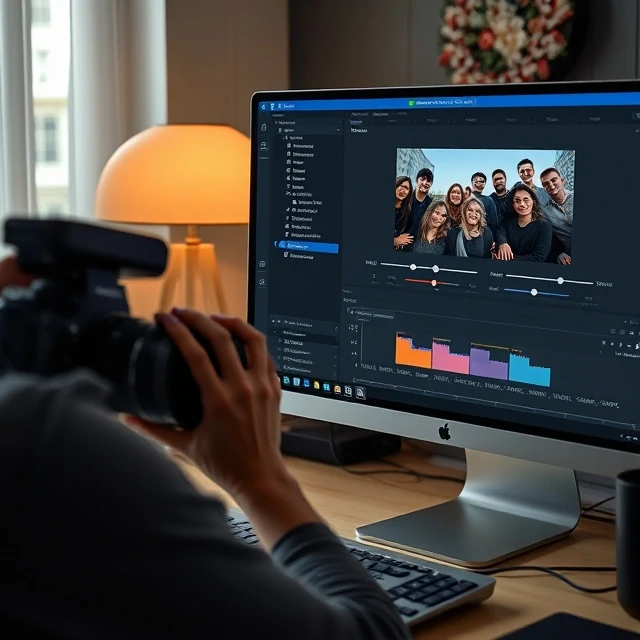
Image editing is modifying a photograph after capture. It includes adjusting exposure, contrast, color, sharpness, and composition. It includes removing distractions, retouching skin, and adding effects. Editing is not new. Photographers have been editing since the beginning, in the darkroom and in the studio. Digital editing tools have made the process faster and more powerful, but the goals are the same: to improve the image and to realize the photographer's vision.
Editing is not the same as manipulation. Manipulation implies deception. Editing can be used to deceive, but it can also be used to clarify, to correct, and to enhance. The line between editing and manipulation depends on context. A news photograph should not be manipulated. A fashion photograph can be retouched extensively. A landscape photograph can be edited for color and contrast, but adding a moon that was not there crosses a line for many photographers. Editing is a skill. It requires an understanding of color, tone, and composition. It also requires restraint. The best editing is often invisible.
Common editing tasks
- Exposure. Adjusting brightness and contrast.
- Color. Correcting white balance and saturation.
- Cropping. Changing composition and aspect ratio.
- Retouching. Removing blemishes and distractions.
- Sharpening. Enhancing edge detail.
Editing is not cheating. It is part of the photographic process. The question is not whether to edit, but how much and for what purpose.
Comments
No comments yet. Be the first to share a thought.
Leave a comment