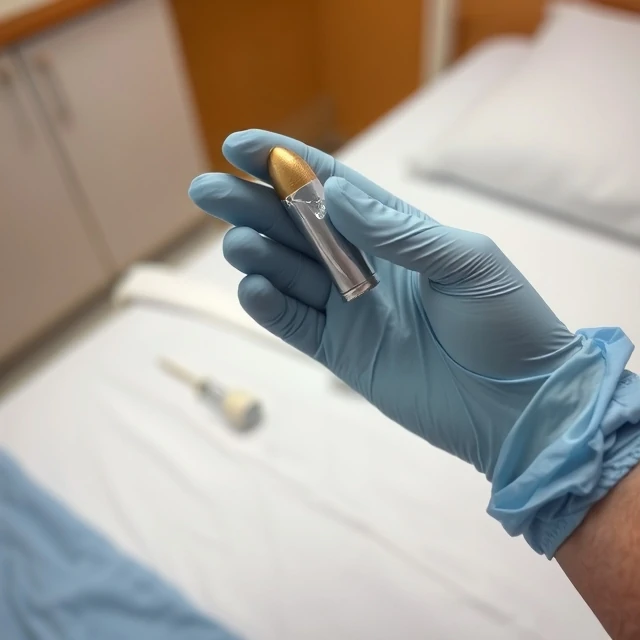
A suppository is a dosage form that is inserted into the rectum or vagina, where it dissolves or melts and releases drug. The rectal route is useful when a patient cannot swallow, is vomiting, or is unconscious. It also avoids the digestive system's upper tract, which means less degradation by stomach acid and a faster onset than oral for some drugs. The vaginal route is used for local conditions like infections or for hormone delivery.
Suppositories are made from a base that melts at body temperature, such as cocoa butter or polyethylene glycol. The drug is mixed into the base, which is molded into a bullet or torpedo shape. Rectal suppositories are inserted past the anal sphincter, where they dissolve and the drug is absorbed through the rectal mucosa. Absorption can be erratic, and some drugs are not well absorbed by this route. Suppositories are also used for laxatives, antiemetics, and analgesics, especially in pediatric and palliative care.
Practical points:
- Storage. Many suppositories must be kept cool or refrigerated to stay solid.
- Insertion. Lubrication and a gloved finger help. Insert past the sphincter.
- Retention. The patient should lie still for a few minutes to prevent expulsion.
- Absorption. Can be unpredictable, especially with rectal administration.
Suppositories are not the first choice for most drugs, but they fill an important niche when other routes are not possible.
Comments
No comments yet. Be the first to share a thought.
Leave a comment