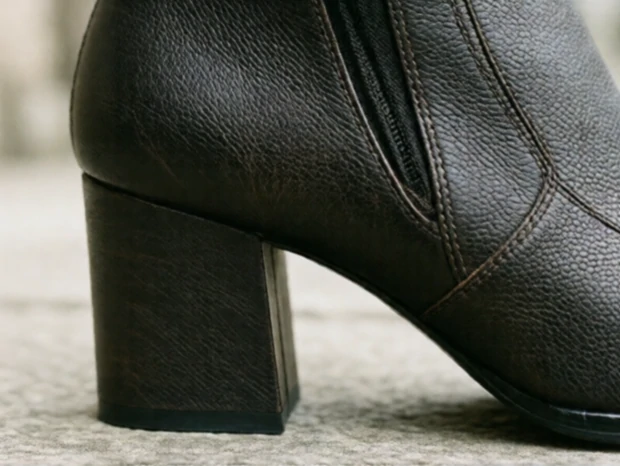
A heel is a raised part under the back of a shoe. It lifts the wearer and changes posture, gait, and silhouette. Heels range from a low wedge to a stiletto. The design affects comfort as much as style. A well-balanced heel can be worn for hours. A poorly made one hurts within minutes, regardless of height.
Types vary. The stiletto is thin and tall. The block heel is wide and stable. The kitten heel is short and slender. The wedge is a solid piece that runs from heel to toe. The platform raises the entire foot. The cone heel tapers. The Cuban heel is straight and common on boots. Each shape has a different center of gravity. Stability depends on the width of the heel and the arch support inside the shoe.
History is long. Heels appear in ancient Egypt, Persia, and Greece, often for practical reasons like keeping feet in stirrups or elevating the wearer above mud. In Europe, they became a status symbol in the 16th century. Men wore them as much as women until the 18th century, when the association shifted. Today, heels are worn by all genders, though the marketing still skews feminine. The health trade-offs are real: prolonged wear can shorten the calf muscles and stress the knees. Moderation and good fit help.
Common types
- Stiletto
- Block heel
- Kitten heel
- Wedge
- Platform and cone
Comments (4)
Leave a comment