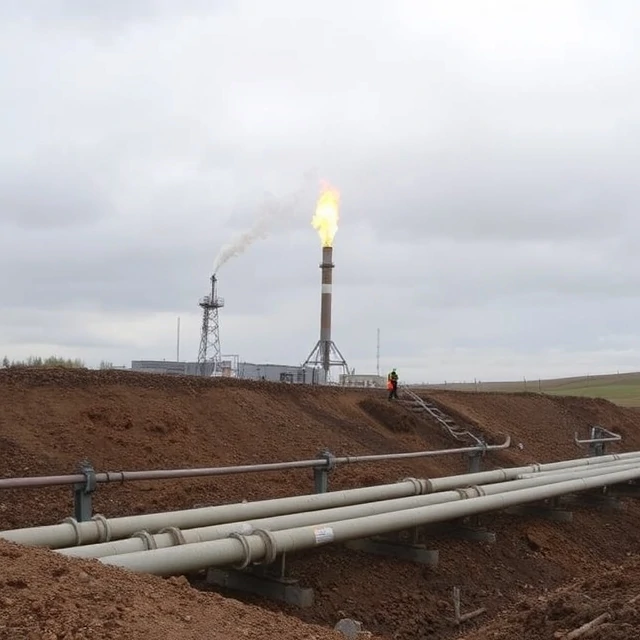
Methane is a colorless, odorless gas and a potent greenhouse gas. Over 20 years, one molecule traps about 80 times more heat than a molecule of carbon dioxide. It is the main component of natural gas. It also comes from wetlands, livestock, landfills, and rice paddies.
Human activities have more than doubled methane concentrations in the atmosphere since pre-industrial times. Agriculture is the largest source. Cattle and sheep produce methane in their digestive systems. Manure lagoons release it. Rice paddies flood and create low-oxygen conditions where microbes emit methane. Fossil fuel extraction leaks it. Landfills generate it as waste decomposes.
Methane is a target for quick climate action. Because it is short-lived, cutting emissions now can slow warming faster than cutting CO2 alone. Fixing leaks in gas infrastructure is often cheap. Changing livestock feed can reduce emissions. Capturing landfill gas turns waste into energy. These measures buy time while the world decarbonizes the energy system.
Main sources
- Livestock digestion
- Landfills
- Natural gas leaks
- Rice cultivation
- Wetlands
Comments
No comments yet. Be the first to share a thought.
Leave a comment