LED stands for light-emitting diode. When current flows through a semiconductor, electrons recombine with holes and release photons. The color depends on the material. Red LEDs came first, in the 1960s. Blue LEDs took decades longer and earned their inventors a Nobel Prize in 2014. Blue light plus a phosphor coating produces white light.
LEDs changed lighting. An incandescent bulb converts about 5 percent of electricity into light. The rest becomes heat. An LED converts 40 to 50 percent. A 10-watt LED replaces a 60-watt incandescent and lasts 15 to 25 times longer. The savings add up across millions of bulbs.
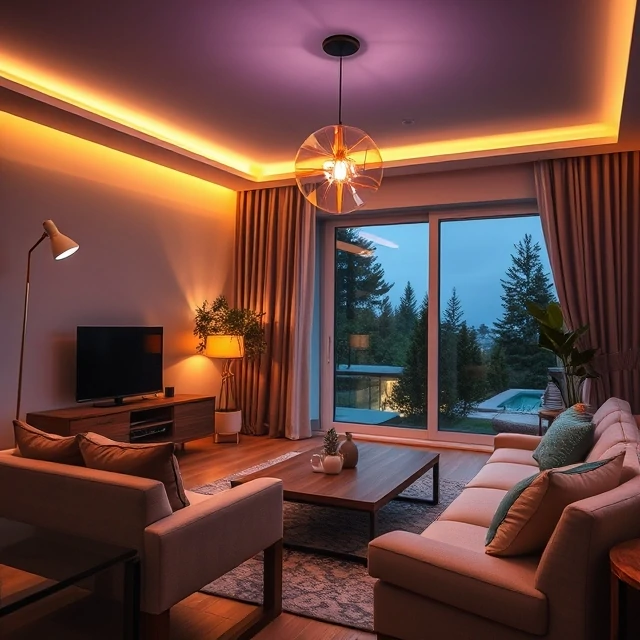
Prices have fallen dramatically. A single LED bulb that cost $40 in 2010 now sells for a few dollars. Governments phased out incandescents, and consumers followed. LEDs now dominate new lighting sales worldwide. They also enable new designs: flexible strips, smart bulbs, and displays.
Advantages
- High efficiency
- Long lifespan
- Low heat output
- Instant-on
- Dimmable and color-tunable
Comments
No comments yet. Be the first to share a thought.
Leave a comment