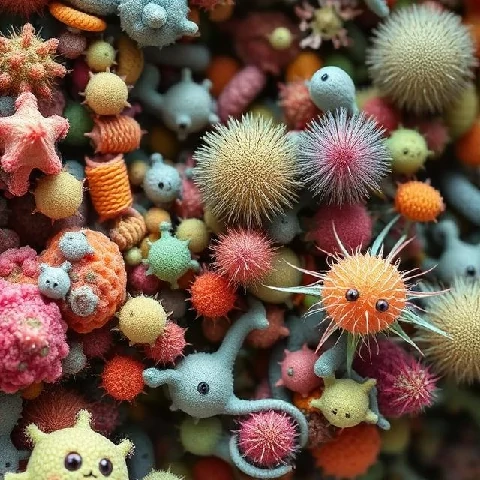
Microorganisms are organisms too small to be seen without a microscope. They include bacteria, archaea, fungi, protozoa, and viruses, though viruses are not always classified as living. They are everywhere: in soil, water, air, and inside our bodies. They outnumber human cells in the body and play essential roles in digestion, immunity, and health. Most are harmless. Some are useful. A few cause disease.
Microorganisms have shaped the planet. Cyanobacteria produced the oxygen in the atmosphere through photosynthesis. Bacteria fix nitrogen in soil, making it available to plants. Fungi decompose organic matter, recycling nutrients. Microbes in the gut help digest food and produce vitamins. They are the unseen majority.
In biotechnology, microorganisms are workhorses. Engineered bacteria produce insulin, antibiotics, and enzymes. Yeast ferments sugars into ethanol and bread. Fungi produce citric acid and penicillin. Microalgae produce oils for biofuels. The diversity of microbial metabolism is a treasure trove of useful chemistry.
Microorganisms are also a source of new tools. CRISPR came from bacteria. Restriction enzymes came from bacteria. Taq polymerase, used in PCR, came from a thermophilic bacterium. The microbial world is a library of genetic innovation, and we are still learning to read it.
Comments
No comments yet. Be the first to share a thought.
Leave a comment