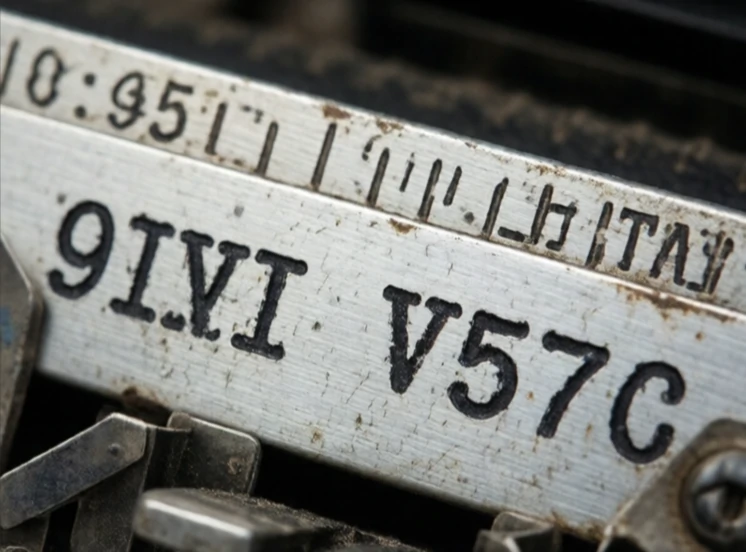
Every car, truck, and motorcycle carries a Vehicle Identification Number, a 17-character code stamped into the chassis and printed on a sticker. That code is the vehicle's fingerprint. It ties the machine to its history, its title, and its recalls.
The modern 17-character VIN became standard in the United States in 1981. Before that, manufacturers used their own formats. The VIN encodes the country of origin, the manufacturer, the model year, the assembly plant, and a sequential production number. A check digit in the ninth position verifies the rest of the string.
Where to find a VIN
- Driver's side dashboard, visible through the windshield.
- Driver's side door jamb sticker.
- Engine block or chassis stamping.
- Vehicle title and registration documents.
- Insurance cards and service records.
A VIN check reveals accident history, odometer fraud, flood damage, and stolen vehicle reports. Buyers should always run a VIN before purchase. A mismatched VIN, or a dashboard VIN that does not match the door jamb, is a red flag for stolen or rebuilt vehicles. The code is not exciting. It is one of the most important pieces of information a vehicle carries.
Comments
No comments yet. Be the first to share a thought.
Leave a comment