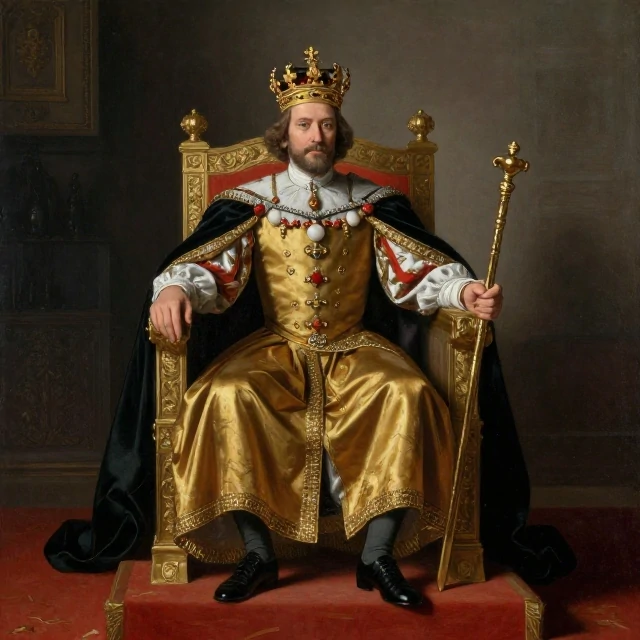
Unlimited government is a system in which there are no effective restraints on the power of the rulers. The government can do anything. It can tax without limit. It can imprison without trial. It can censor speech. It can take property. It can kill. The rulers are above the law. The people have no rights. It is the opposite of limited government. It is tyranny.
Unlimited government takes many forms. Absolute monarchy is one form. The king or queen has total power. Dictatorship is another. A single leader or party controls everything. Theocracy is another. Religious leaders claim divine authority. Totalitarianism is the most extreme. The state controls every aspect of life. It controls the economy, the media, education, and even private thought.
Characteristics of unlimited government
- No constitutional limits.
- No independent courts.
- No free elections.
- No protected rights.
- No peaceful transfer of power.
Unlimited government is rare in theory but common in history. The pharaohs of Egypt, the emperors of Rome, the kings of France, and the dictators of the 20th century all exercised unlimited power. The results were often brutal. Famine, war, and oppression followed. The framers of the US Constitution knew this history. They designed a limited government. They divided power. They wrote a Bill of Rights. They created checks and balances. They wanted to prevent unlimited government. They did not always succeed. Slavery, segregation, and internment show the limits of their design. But the framework is there. It can be improved. It can be defended. Unlimited government is the danger. Limited government is the safeguard. The struggle between them is the story of liberty.
Comments
No comments yet. Be the first to share a thought.
Leave a comment