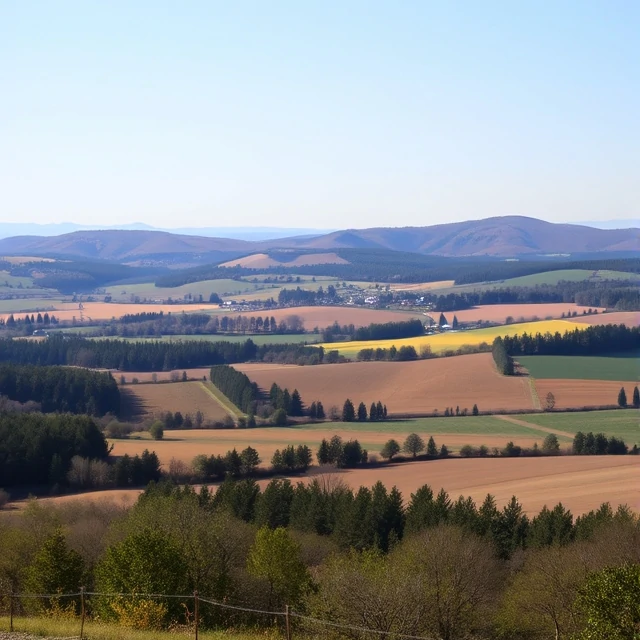
The view from a hilltop takes in more than scenery. Landscape refers to the visible features of an area of land—its landforms, vegetation, water bodies, and the human structures superimposed on them. It is both a physical reality and a cultural perception.
Natural landscapes are shaped by geology, climate, and biological processes. Cultural landscapes reveal the cumulative impact of human land use. Landscape ecology studies the spatial patterns of ecosystems and how those patterns affect processes such as species movement and water flow.
Artists, planners, and conservationists all work with the idea of landscape. Protecting scenic or historic landscapes has become a formal goal in many planning systems. The term keeps attention on the integrated character of places rather than isolated features.
- Visible features of an area of land
- Includes natural and human elements
- Subject of aesthetic and scientific study
- Reflects both physical processes and culture
Comments (3)
Leave a comment