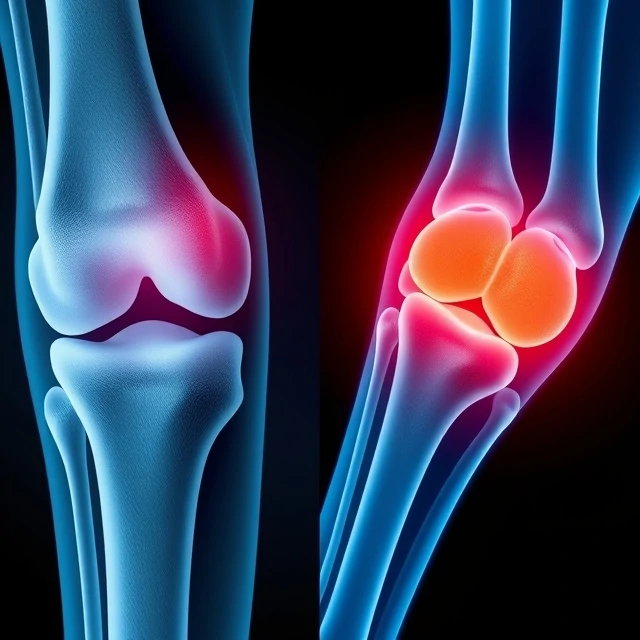
Redness, heat, swelling, and pain signal that the body is responding to injury. Inflammation is the immune system’s protective response to infection, trauma, or irritation, characterized by increased blood flow, vessel permeability, and recruitment of immune cells.
Acute inflammation helps clear pathogens and begin repair. When the process becomes chronic it can damage normal tissue, as in rheumatoid arthritis or inflammatory bowel disease. Chemical mediators such as prostaglandins, cytokines, and histamines drive the visible signs and symptoms.
Anti-inflammatory drugs reduce mediator activity and relieve symptoms. Identifying and removing the underlying trigger remains preferable when possible. Clinicians distinguish helpful inflammation from harmful inflammation so that treatment does not impair necessary defense or healing.
- Immune response to injury or infection
- Produces redness, heat, swelling, and pain
- Acute forms aid clearance and repair; chronic forms damage tissue
- Modulated by anti-inflammatory therapies
Comments
No comments yet. Be the first to share a thought.
Leave a comment