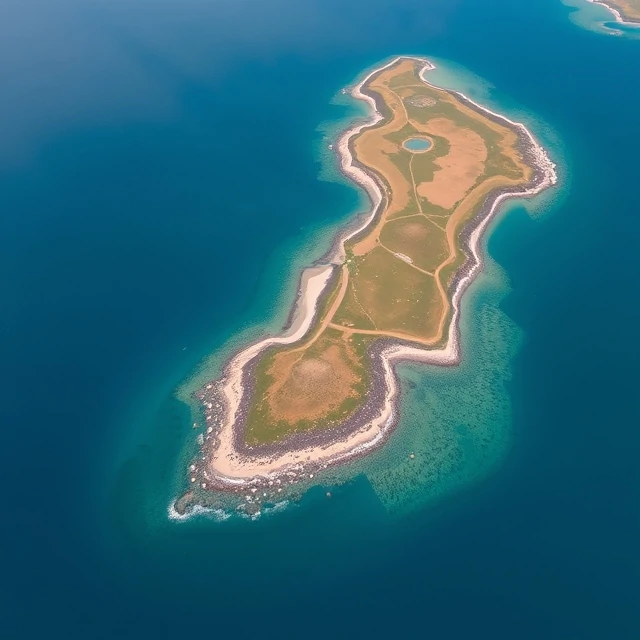
Two large landmasses can be joined by a surprisingly narrow neck of land. An isthmus is that strip, bordered by water on two sides. The Isthmus of Panama and the Isthmus of Suez are the most famous because canals cut through them link major oceans.
Isthmuses have long been strategic corridors for trade and migration. They also serve as natural choke points that can be controlled for military or commercial advantage. Geologically they may form by tectonic uplift, volcanic activity, or sediment deposition.
Building a canal across an isthmus dramatically shortens shipping routes and reshapes global trade patterns. The land itself remains a bridge for terrestrial species and a barrier for marine ones until human engineering intervenes.
- Narrow land strip connecting larger landmasses
- Bordered by water on two sides
- Often strategically important
- Site of major inter-ocean canals
Comments
No comments yet. Be the first to share a thought.
Leave a comment