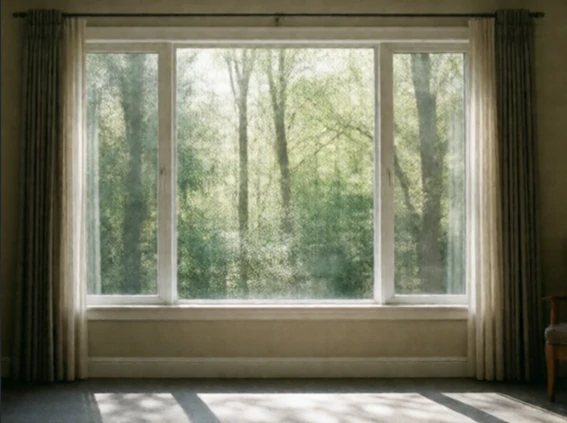
A window is an opening in a wall fitted with glass to admit light and air. It is one of the most important elements in architecture. Windows connect inside and outside. They frame views, admit daylight, and provide ventilation. They also affect energy performance, acoustics, and privacy.
Window design involves trade-offs. Large windows admit more light and views but lose more heat in winter and gain more heat in summer. Double and triple glazing reduce heat loss. Low-emissivity coatings reflect heat back into the room. Argon or krypton gas between panes improves insulation. Frames matter too: wood, aluminum, vinyl, and fiberglass each have different thermal properties.
Windows also have a cultural dimension. The size and placement of windows reveals how a building relates to its surroundings. A house with large windows open to the street is different from one with small windows turned inward. A factory with walls of glass is different from a fortress with slits.
In historic buildings, windows are often the most vulnerable element. They are also the most visible. Preserving original windows is important for character, but it can conflict with energy goals. The solution is often repair and weatherstripping rather than replacement.
Comments (2)
Leave a comment