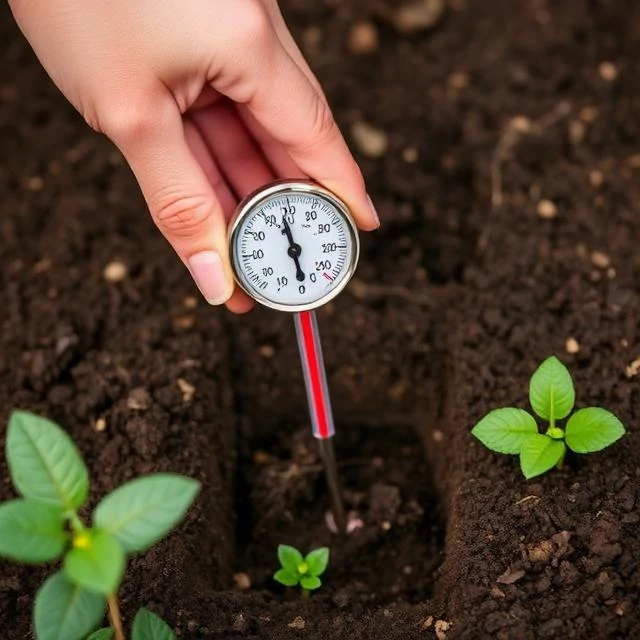
Temperature drives decisions on a farm. When to plant, when to irrigate, when to harvest, when to protect livestock. A thermometer turns that invisible variable into a number a farmer can act on.
Different jobs need different instruments. Soil thermometers measure planting depth temperature. Air thermometers track frost risk. Infrared thermometers scan crop canopies for heat stress. Each type answers a specific question.
Common agricultural uses
- Checking soil temperature before sowing
- Monitoring frost risk overnight
- Tracking heat stress in livestock barns
- Verifying compost or silage temperature
Calibration matters. A thermometer that reads two degrees off can trigger planting too early or miss a frost warning. Farmers compare instruments and replace them when readings drift.
Comments
No comments yet. Be the first to share a thought.
Leave a comment