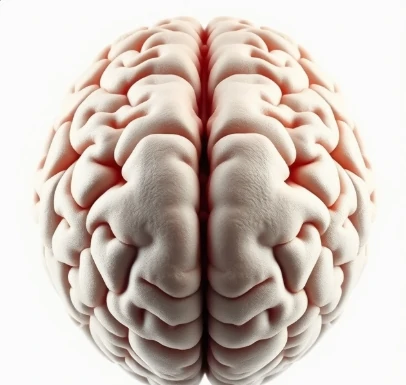
The cerebrum is split into two mirror-image halves, the left and right hemispheres, separated by the deep longitudinal fissure and connected by the corpus callosum and smaller commissures. Each hemisphere receives sensory input mainly from the opposite side of the body and controls the opposite side’s movements.
Beyond this basic crossing, certain functions are lateralized. In most people language production and comprehension depend heavily on the left hemisphere, while some visuospatial and attentional processes favor the right. The degree of lateralization varies across individuals and can shift after early injury.
Split-brain studies and modern imaging have mapped these asymmetries in detail. Yet everyday behavior requires constant collaboration between the hemispheres; isolation of one side produces only partial, not total, functional loss. Understanding hemispheric specialization helps interpret the effects of stroke and guides surgical decisions near language cortex.
- One of the two cerebral halves
- Primarily controls the opposite body side
- Shows functional lateralization
- Interconnected by commissural fibers
Comments
No comments yet. Be the first to share a thought.
Leave a comment