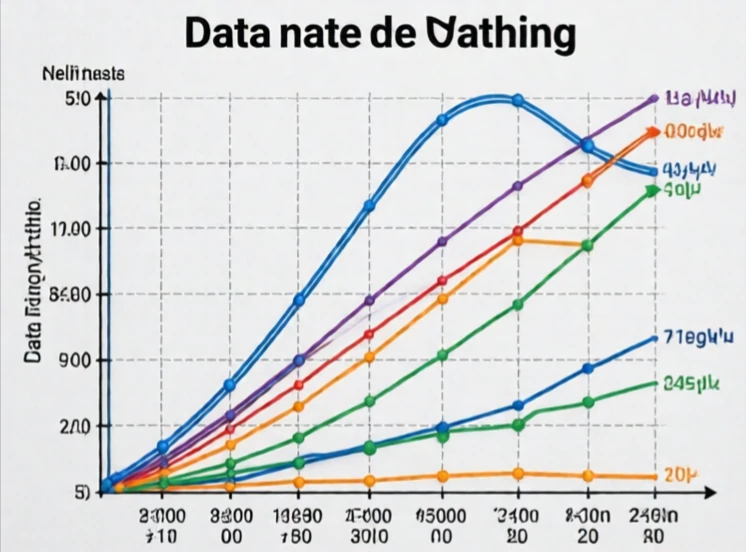
Data rate is the speed at which data is transmitted. It is measured in bits per second. A dial-up modem ran at 56 kbps. A fiber connection can run at 1 Gbps or more. The higher the data rate, the faster files download and pages load. Data rate is not the same as bandwidth. Bandwidth is the capacity. Data rate is the actual speed.
Data rate depends on many factors. The medium matters: fiber is faster than copper. The signal-to-noise ratio matters: a clean signal carries more bits. The modulation matters: more bits per symbol means higher rate. The protocol matters: overhead reduces effective throughput.
Common data rates
- Dial-up: 56 kbps
- DSL: 1 to 100 Mbps
- Cable: 10 to 1,000 Mbps
- Fiber: 100 Mbps to 10 Gbps
- 5G: 100 Mbps to 1 Gbps
Data rate is a marketing term. Providers advertise peak speeds. Real-world speeds are lower. Congestion, distance, and WiFi interference reduce throughput. The advertised rate is the best case. The actual rate is what you experience.
Comments (3)
Leave a comment