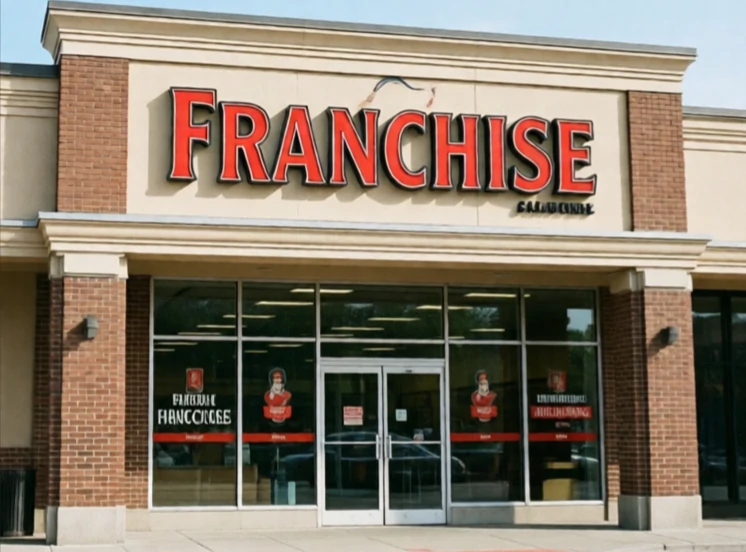
An entrepreneur pays an established company for the right to open a store using its brand, systems, and products. That arrangement is a franchise. The franchisor supplies the playbook; the franchisee supplies local capital and management.
Franchise agreements specify fees, royalties, territorial rights, and operating standards. Fast-food restaurants, convenience stores, and certain retail chains make extensive use of the model. Franchisees gain a proven concept and marketing support; franchisors expand with less capital risk.
Success depends on both the strength of the brand and the quality of local execution. Disputes can arise over supply costs, marketing funds, or renewal terms. When the relationship works, customers receive a consistent experience and the franchisee builds a business under a recognized name.
- Licensed right to operate under an established brand
- Combines franchisor systems with local ownership
- Governed by detailed contractual obligations
- Common in food service and retail chains
Comments
No comments yet. Be the first to share a thought.
Leave a comment