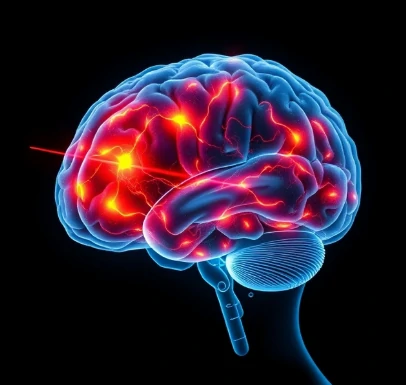
Memory is the persistence of learning over time through the encoding, storage, and retrieval of information. It allows past experience to influence present behavior and thought.
Psychologists divide memory into stages and systems. Sensory memory holds raw impressions for a fraction of a second. Short-term or working memory maintains a limited amount of information for seconds to minutes while it is being used. Long-term memory stores knowledge and experiences for much longer periods, potentially a lifetime. Within long-term memory, explicit systems support conscious recollection of facts and events, while implicit systems support skills and conditioned responses.
Memory is reconstructive rather than reproductive. Retrieval is influenced by cues, current mood, and subsequent information. Forgetting can result from decay, interference, or retrieval failure. Emotional arousal, repetition, and meaningful organization strengthen retention. Disorders such as amnesia and the memory changes of aging reveal the vulnerability of these systems.
Without memory, each moment would stand alone. With it, experience accumulates into a continuous self.
Comments (2)
Leave a comment