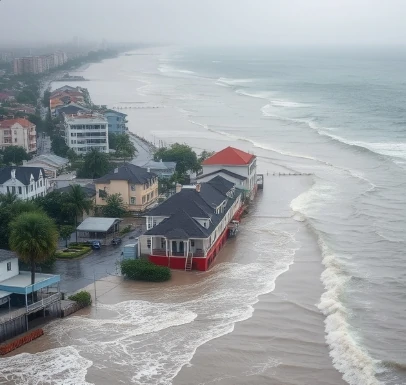
Strong winds from a storm push ocean water toward the coast, raising the sea level well above the predicted tide. That abnormal rise is storm surge. It is often the most deadly aspect of a landfalling hurricane or intense extratropical cyclone.
The height of the surge depends on wind speed, the size of the storm, the angle of approach, and the shape of the coastline and sea floor. Shallow coastal shelves and funnel-shaped bays can amplify the surge dramatically. Waves on top of the surge add further destruction.
Storm-surge forecasts combine model guidance with coastal bathymetry. Evacuation orders for low-lying areas are based largely on the expected surge. Historical events such as the 1900 Galveston hurricane and more recent storms have demonstrated the power of this hazard.
- Abnormal sea-level rise from storm winds
- Major coastal flooding threat
- Depends on storm and coastal factors
- Primary reason for coastal evacuations
Comments (3)
Leave a comment