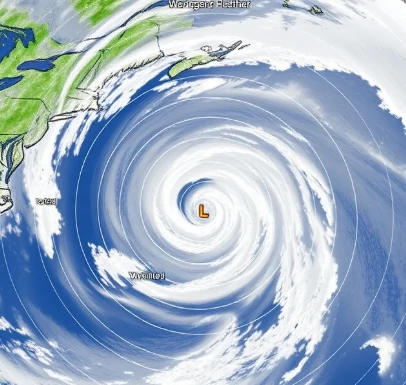
In a low-pressure system, air rises and converges at the surface. The rising motion cools the air, often producing clouds and precipitation. Surface winds spiral inward toward the center, counterclockwise in the Northern Hemisphere.
The strength of the system is indicated by how low the central pressure falls and how tightly the isobars are packed. Deep lows can generate strong winds and heavy precipitation over large areas. Mid-latitude lows draw energy from temperature contrasts; tropical lows draw energy from warm oceans.
Tracking the movement and intensification of low-pressure systems is a core forecasting task. Satellite imagery, surface observations, and model guidance all contribute. Some lows remain weak and produce only light rain; others become major storms that disrupt daily life for millions.
- Rising air and inward spiraling winds
- Associated with clouds and precipitation
- Can range from weak to intense
- Central to day-to-day weather changes
Comments
No comments yet. Be the first to share a thought.
Leave a comment