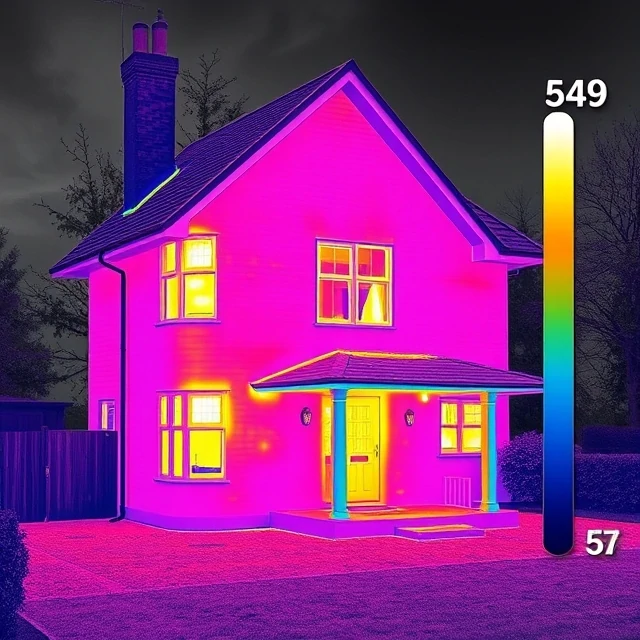
An energy audit is an inspection of how a building or facility uses energy. The auditor measures, observes, and interviews. They check insulation, lighting, heating and cooling systems, appliances, and how the space is used. The result is a report listing where energy goes and where it is wasted.
Audits come in levels. A walk-through audit is quick and cheap. It identifies obvious problems like drafty windows or old bulbs. A detailed audit uses instruments like thermal cameras and blower doors. It models the building and estimates savings from specific upgrades. Investment-grade audits support financing decisions.
Recommendations usually fall into two groups. Low-cost fixes include sealing leaks, adjusting thermostats, and switching to LEDs. Larger investments include new boilers, insulation, or solar panels. The audit ranks them by payback period. A good auditor does not just list problems. They prioritize what will save the most for the least cost.
Common findings
- Air leaks and poor insulation
- Outdated lighting
- Oversized or inefficient HVAC
- Standby power waste
- Operational and scheduling issues
Comments
No comments yet. Be the first to share a thought.
Leave a comment