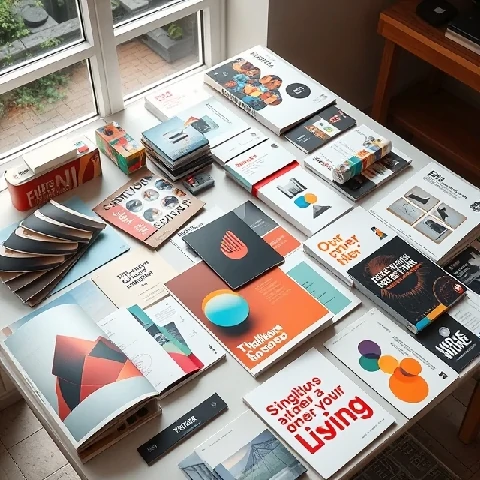
Graphic design creates visual content to communicate messages. It combines typography, imagery, color, and layout to inform, persuade, or entertain. A poster announces a concert. A logo identifies a company. A website guides a user through a task. A book cover attracts a reader. The discipline spans print and digital media. The tools have changed. The principles have not. Designers still solve communication problems with visual solutions.
The field is broad. Brand identity design creates the visual language of a company. Editorial design lays out magazines, newspapers, and books. Packaging design makes products stand out on shelves. Advertising design sells. UI design shapes digital interfaces. Motion design adds movement. Each specialty has its own conventions and constraints. The common thread is communication. Graphic designers do not just make things pretty. They make things clear. They organize information so the eye can navigate it. They use hierarchy to show what matters most. They choose typefaces that fit the tone. They select images that reinforce the message. They consider the audience, the medium, and the context. A design that works on a billboard may fail on a business card. A design that works for a bank may fail for a skateboard brand. Context is everything. The designer's job is to understand it and design for it.
Graphic design specialties
- Brand identity — logos, guidelines, visual systems
- Editorial — magazines, books, newspapers
- Packaging — product containers and labels
- Advertising — campaigns and promotions
- UI design — digital interfaces
- Motion — animation and video graphics
Graphic design is visual communication. The message is the point. The design is how it gets through.
Comments
No comments yet. Be the first to share a thought.
Leave a comment