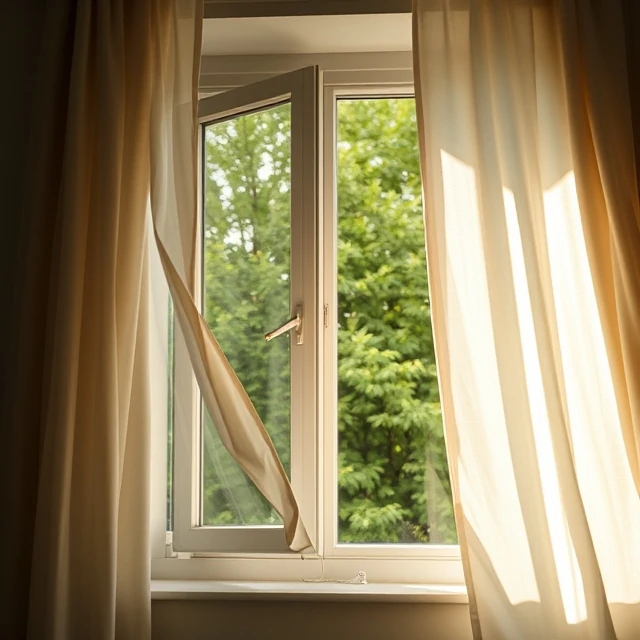
Ventilation moves fresh air into and out of a space. It is essential for health and comfort. It removes moisture, odors, and pollutants. It brings in oxygen. It controls temperature and humidity. Ventilation is not the same as air conditioning. Air conditioning cools and dehumidifies. Ventilation exchanges air. Both are important. In a sealed building, ventilation must be mechanical. In a leaky building, it may be natural. The building code specifies the minimum ventilation rates for different occupancies.
Ventilation comes in several types. Natural ventilation uses wind and buoyancy to move air through windows, vents, and chimneys. It is free and sustainable. It is also variable and hard to control. Mechanical ventilation uses fans and ducts. It is reliable and controllable. It consumes energy. A hybrid system uses both. A heat recovery ventilator exchanges heat between the outgoing and incoming air. It saves energy while providing fresh air. A local exhaust fan removes pollutants at the source, like a kitchen range hood or a bathroom fan.
Ventilation is critical in construction. A building must be designed to ventilate. The attic must be vented to prevent moisture and heat buildup. The crawl space must be vented or sealed. The roof must be vented to prevent ice dams. The mechanical room must be vented for combustion air. The garage must be vented for carbon monoxide. The bathroom must be vented for moisture. The kitchen must be vented for odors and grease. Ventilation is invisible. It is also essential. A building without ventilation is a sick building. A building with good ventilation is a healthy one.
Comments
No comments yet. Be the first to share a thought.
Leave a comment